Arborist and Military: Discipline, Precision, and Purpose in Tree Care
At first glance, arboriculture and the military may seem like entirely different fields. One focuses on tree health and environmental stewardship, while the other centers on defense and strategic operations. Yet, there is a surprising overlap in the skills, mindset, and discipline required in both professions. Many arborists—especially those working with arborists in San Diego (https://arboristsandiego.net/)—either come from military backgrounds or operate with a similar level of structure and precision.
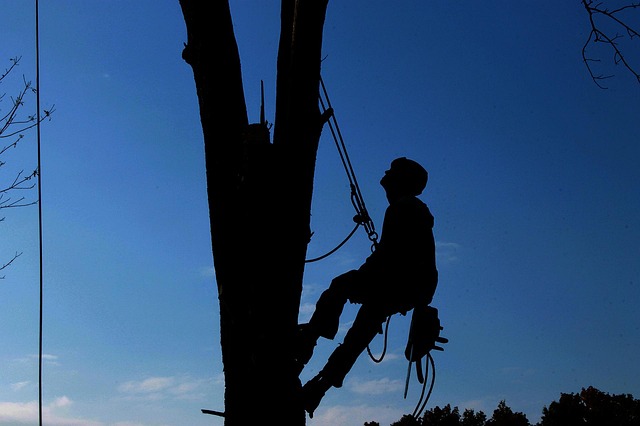
Shared Skill Sets Between Arborists and Military Personnel
Both arborists and military professionals rely heavily on physical endurance, situational awareness, and risk assessment. Tree work often involves climbing tall structures, operating dangerous equipment, and making quick decisions under pressure—conditions not unlike certain military operations.
Veterans transitioning into arboriculture often find the work familiar in terms of discipline and teamwork. The ability to follow protocols, communicate clearly, and execute tasks efficiently translates well into tree service operations. Whether it’s coordinating a complex tree removal or managing a crew on-site, the parallels are clear.
Climbing, Rigging, and Tactical Precision
Tree climbing and rigging require a high degree of technical skill. Arborists must understand load distribution, anchor points, and rope systems to safely remove or trim trees. These tasks demand the same kind of precision and planning seen in military engineering or tactical units.
Military training often includes rope work, rappelling, and equipment handling—all of which are directly applicable to arboriculture. This crossover makes veterans particularly well-suited for advanced tree work, where safety and accuracy are critical.
Chain of Command and Team Structure
Tree service crews often operate with a clear hierarchy, similar to military units. There’s typically a crew leader, climbers, ground workers, and equipment operators, each with defined roles and responsibilities. This structured approach ensures efficiency and minimizes risk.
For individuals with military experience, this environment feels natural. They are accustomed to working within a chain of command, following orders, and maintaining accountability. This alignment can lead to smoother operations and stronger team cohesion.
Safety Protocols and Risk Management
Safety is a top priority in both fields. Arborists must constantly evaluate hazards such as unstable branches, power lines, and weather conditions. Similarly, military personnel are trained to assess threats and mitigate risks in dynamic environments.
Standard operating procedures (SOPs) are common in both professions. In tree service, these might include guidelines for equipment use, emergency response, and job site setup. The disciplined adherence to these protocols helps prevent accidents and ensures consistent performance.
Mental Resilience and Adaptability
Working as an arborist requires mental toughness. Jobs can be physically demanding, unpredictable, and sometimes dangerous. Weather conditions, tree health, and site constraints can change rapidly, requiring quick thinking and adaptability.
Military training instills resilience and the ability to stay focused under pressure. These qualities are invaluable in arboriculture, where maintaining composure can make the difference between a successful job and a serious incident.
Career Pathways for Veterans in Arboriculture
The tree service industry offers a viable and rewarding career path for military veterans. Many companies actively seek out former service members due to their work ethic and reliability. Training programs and certifications, such as those offered by professional arborist organizations, can help veterans transition smoothly into the field.
In regions like San Diego, where urban forestry is essential, there is consistent demand for skilled arborists. Veterans entering this space can build long-term careers while contributing to environmental sustainability and community safety.
Purpose and Service Beyond the Military
One of the most compelling connections between arborists and military personnel is the sense of purpose. While the nature of service changes, the underlying motivation often remains the same—protecting and improving the environment and community.
Tree care plays a crucial role in maintaining safe, livable spaces. Removing hazardous trees, preserving healthy ones, and enhancing urban landscapes all contribute to public well-being. For many former military members, this provides a new way to serve with meaning and impact.
A Natural Transition
The transition from military service to arboriculture is more than just a career change—it’s a continuation of a disciplined, purpose-driven lifestyle. The skills developed in the military find a natural application in tree care, making arboriculture an ideal fit for those seeking structure, challenge, and meaningful work.
As the industry continues to grow, the connection between arborists and military professionals will likely strengthen, bringing together two fields rooted in precision, teamwork, and dedication.